

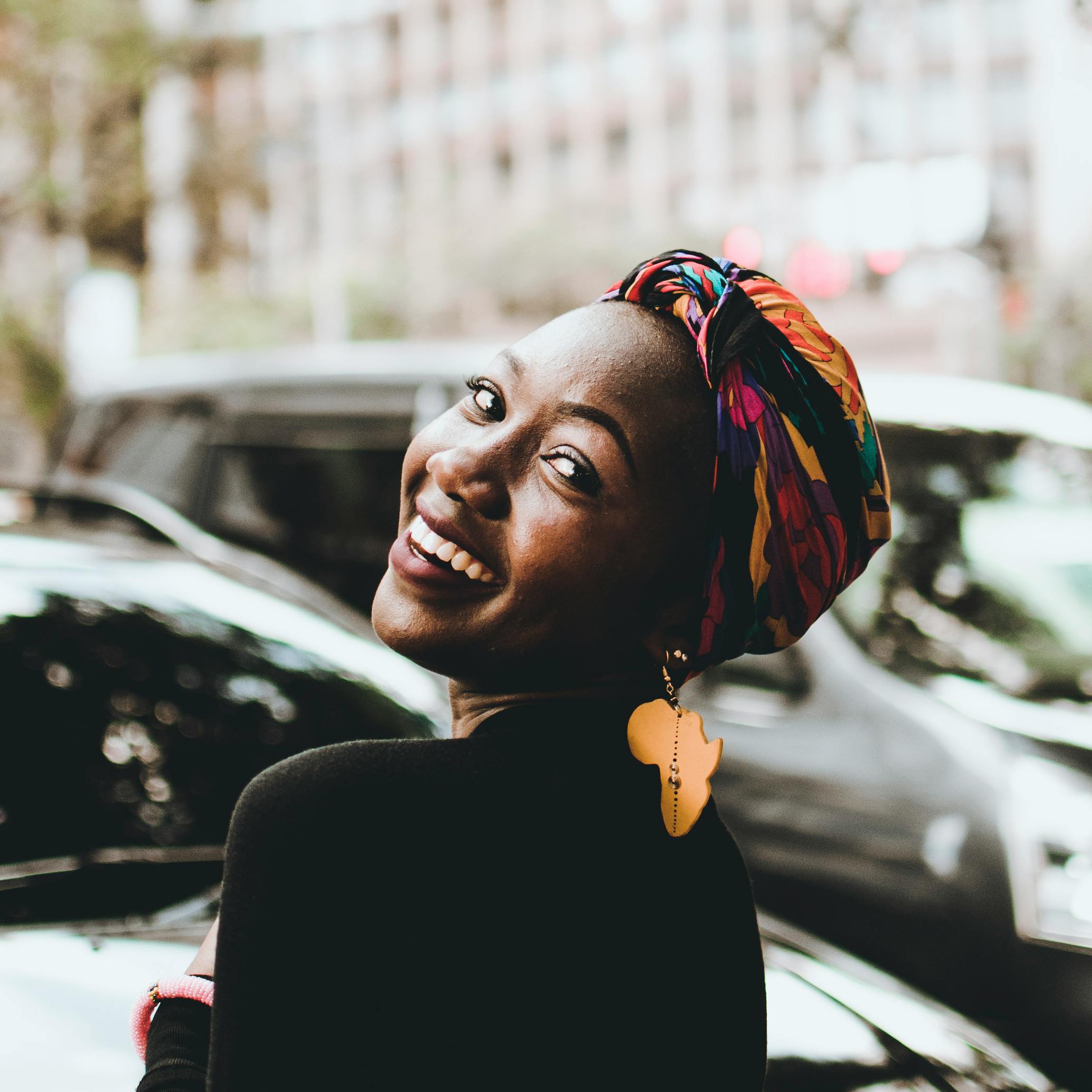
Choosing between locs and loose natural hair can be a thing. Both styles have unique pros and considerations, like what works best for your lifestyle, personality, and hair goals. Let’s check out the differences between locs and loose natural hair to see what's right for you.
Styling Flexibility
One of the biggest distinctions between locs and loose natural hair is the variety of styling options. With loose natural hair, you wake up each day with the freedom to choose a different look—whether it’s a wash-and-go, twist-out, or braid-out styles. If having a wide range of hairstyles is a priority, loose natural hair might be your best bet.
Locs, on the other hand, offer a different kind of versatility. While you’re somewhat limited to styles, there are still plenty of options, such as buns, updos, braided locs, and intricate loc designs. You also wake up and have your style ready to go. However, if you enjoy frequent and dramatic changes to your hairstyle, locs might feel a bit restrictive.
Keep in mind that in 2025, it’s more common for people with locs to experiment with wigs and weaves, though these can sometimes feel bulky or uncomfortable due to the thickness of the locs underneath.
Personality and Lifestyle
Locs often come with a certain sense of identity and confidence. Many people with locs feel they’ve reached a point where they know what they want and are content with their hair choices. Locs can symbolize a graduation from the experimentation phase of loose natural hair, representing a commitment to simplicity and self-assurance.
Loose natural hair, however, allows for a more exploratory approach. If you’re someone who loves trying new styles and enjoys the creative process of figuring out your next look, loose natural hair could be the perfect fit for you.
Maintenance and Hair Health
Hair breakage and shedding are common concerns for both styles, but they manifest differently. With loose natural hair, daily shedding is natural, and breakage may not be as noticeable. Locs, however, make hair breakage more visible because the hair is clumped together. It’s essential to maintain proper hair care to prevent issues like thinning or breakage, especially with locs.
If you’re considering coloring your hair, finding a professional who specializes in loc coloring is crucial. Many stylists excel at coloring loose hair, but coloring locs requires unique expertise to avoid damaging the structure and health of the locs. As the loc community grows, more professionals are learning these techniques, but it’s still important to research and choose carefully.
If you're planning on coloring your locs, be sure to purchase Dr Locs line for Color treated Locs. The only line out there created with your colored locs in mind!
Permanence
Another key difference is the level of commitment involved. Locs are often seen as a more permanent style. While you can comb out locs, it’s a time-intensive and sometimes damaging process. Loose natural hair, by contrast, allows you to switch styles freely without the same level of permanence. If you value flexibility and aren’t ready to commit to a long-term style, loose natural hair might be the way to go.
Final Thoughts
Whether you choose locs or loose natural hair, the decision ultimately depends on your preferences, lifestyle, and how much flexibility you want with your hair. Locs offer a unique sense of identity, low-maintenance upkeep, and unique styling options, while loose natural hair provides unmatched versatility and freedom to experiment. Take time to reflect on your hair goals and what fits best with your personality and routine.