
So you’ve just transitioned over to locs and you’ve taken the interlocking route, now what?
We're not going to say there are certain rules to abide by when rocking your locs, but we are going to stress that there are most certainly ‘dos and don'ts’ when it comes to making sure your locs remain strong and healthy. If you’ve chosen interlocking, let’s have a closer look at what could go wrong so that everything goes right!
Pulling Hair at the Root
When you are interlocking your hair, you can interlock with your hands or with a tool.
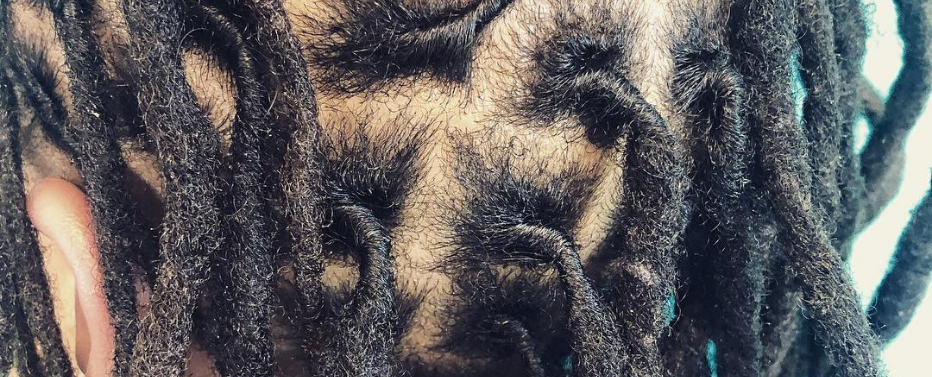
If you use what’s called an interlocking tool, you’ll tuck the end of each locs through the roots to guide the sides of your new growth in different directions. Please be very careful because this can go wrong. You can either go with a plastic or metal tool. However, when using a metal crocheting hook tool, we often find that, when one doesn’t know how to interlock safely with this tool, they often pull at the new growth, causing breakage at the root. This breakage will lead to hair frizzing and make the hair look thinner at the root, which is certainly not a look any of us are going for!
Interlocking Too Tightly
There is the possibility of wanting your locs to look tight and neat, especially when it comes to smaller locs, like sisterlocks. Interlocking is the most common method for smaller locs, but if you overdo it, then you will cause damage to the roots and scalp. Interlocking with too much force can cause pressure to the scalp, which will lead to thinning locs, and most likely a headache! This tendency is most common for those of us who love a burning hot shower, a massage where those hands work deeply into our muscles and when you clean your home, you clean it with passion and determination, you know what we’re talking about? Your locs on the other hand, want to be treated with gentle TLC, like the way you would handle plants or flowers in your home and garden. No one’s suggesting you need to talk to your locs here, but to take care of your locs as if it's a meditation for you, a part of your self-love and self-care routine. That’s how we love to approach our loc maintenance here at Dr Locs and would recommend the same for others!
Takeaway
Interlocking is a safe maintenance method, which could actually be an option for those who are also palm rolling their locs but want to spread out their maintenance routine further apart, or need to wash their locs more frequently. What’s most important here is looking after that scalp and all that healthy new growth. We want to keep that healthy hair growing in, not break it or yank it, right? We recommend only using this method yourself if you are trained or to have it done by someone else who is trained.
Let us know your experience with interlocking and what tricks and tips you’ve learned along the way, we’d love to hear about it!