
Should you be drying your locs? Most definitely!
Drying locs properly is a key ingredient in your locs maintenance routine. If you don't dry your locs properly, you don't keep your locs. It’s as serious as that! Okay, maybe that’s a bit of an exaggeration, but that’s because if you don’t dry your locs through and through, you will end up with a lot of time consuming issues on your hands, and who has time for that? Here are three ways to safely dry your locs, so you don’t end up with mildew or problems inside of your locs.
Hood Dryer
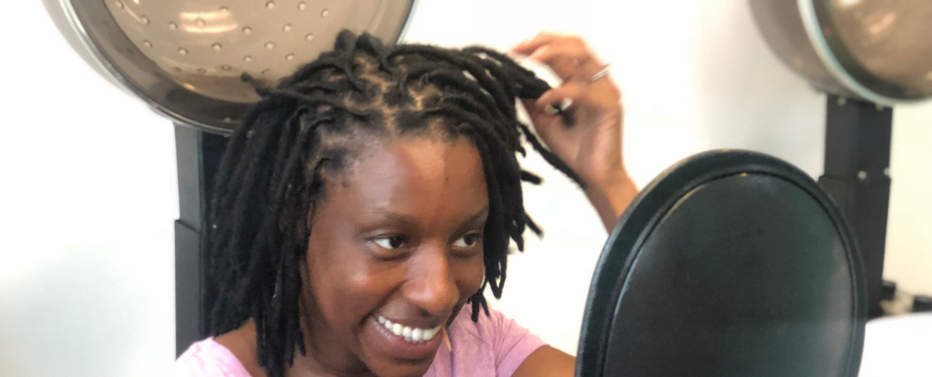
One of the best and surest ways of drying those beautiful locs through and through is with a hood dryer. Not all of us have access to a hood dryer. But the good new is, due to the need to be inside our homes, they’ve become much more accessible! Nonetheless, if you go to a loctician regularly, then you know he or she has one and you know you’re about to spend some relaxing time under that gentle heat! Speaking of heat, if the hood dryer is too hot in the salon, don’t be shy, ask them as directly and politely as needed to lower that heat!
Hand held dryer or Bonnet Dryer
One of the most common options for drying locs is with a hand held dryer. If this is your go-to, please make sure to put down the heat from medium to low heat. It’s best to use a diffuser as well, because too much heat can suck out all that necessary moisture to keep your locs soft and healthy. If this is your chosen method, we recommend squeezing out as much water as possible from your locs before stepping out of the shower and wrapping your locs in a lint-free, cotton-free towel before turning to a heat source. Same rules apply to that bonnet dryer.
The Sun
No joke. Many individuals have chosen to dry their locs with the sun. We recommend using some kind of dryer first before going into the sun. The sun might not penetrate into the inside of the locs, which is the hardest point to get to, but the most essential. If your locs retain a lot of moisture this method probably is not for you. This method can work but it depends on the climate you’re in and your hair type. It’s really important to make sure the locs are drying all the way through, because they may seem dry on the outside, but again, it’s really the inside that counts! Okay, the locs from the inside out count, but we think you get where we’re going with this!
What method have you found works best for your locs? We’d love to hear about your method and maintenance routine!