
The Benefits of Hydrolyzed Quinoa in Your Natural Hair Care Products

The Benefits of Hydrolyzed Quinoa in Your Natural Hair Care Products

Wondering what hydrolyzed quinoa is in your hair care products?


Quinoa is a seed from central and south America that contains an incredible amount of protein and powerful antioxidants. It's great for your health, and guess what? It’s also great for your hair! 


How Can My Hair Benefit from Hydrolyzed Quinoa?

Quinoa is hydrolyzed in order for your hair to actually be able to absorb all of its goodness. Quinoa is actually a complete protein (one of the few non-animal products that can wave this flag) and when it is hydrolyzed it is able to repair, protect and condition the hair. 


Noticeable Benefits of hydrolyzed Quinoa include:

  • Softer Hair
  • Your hair will be more able and ready to retain needed moisture
  • Strengthens hair strands from the inner cortex all the way to the outer layers of the strands
  • Works as a detangler 
  • Soothes an irritated scalp
  • Adds a natural shine to hair 

Where You Can Find Natural Products with Hydrolyzed Quinoa

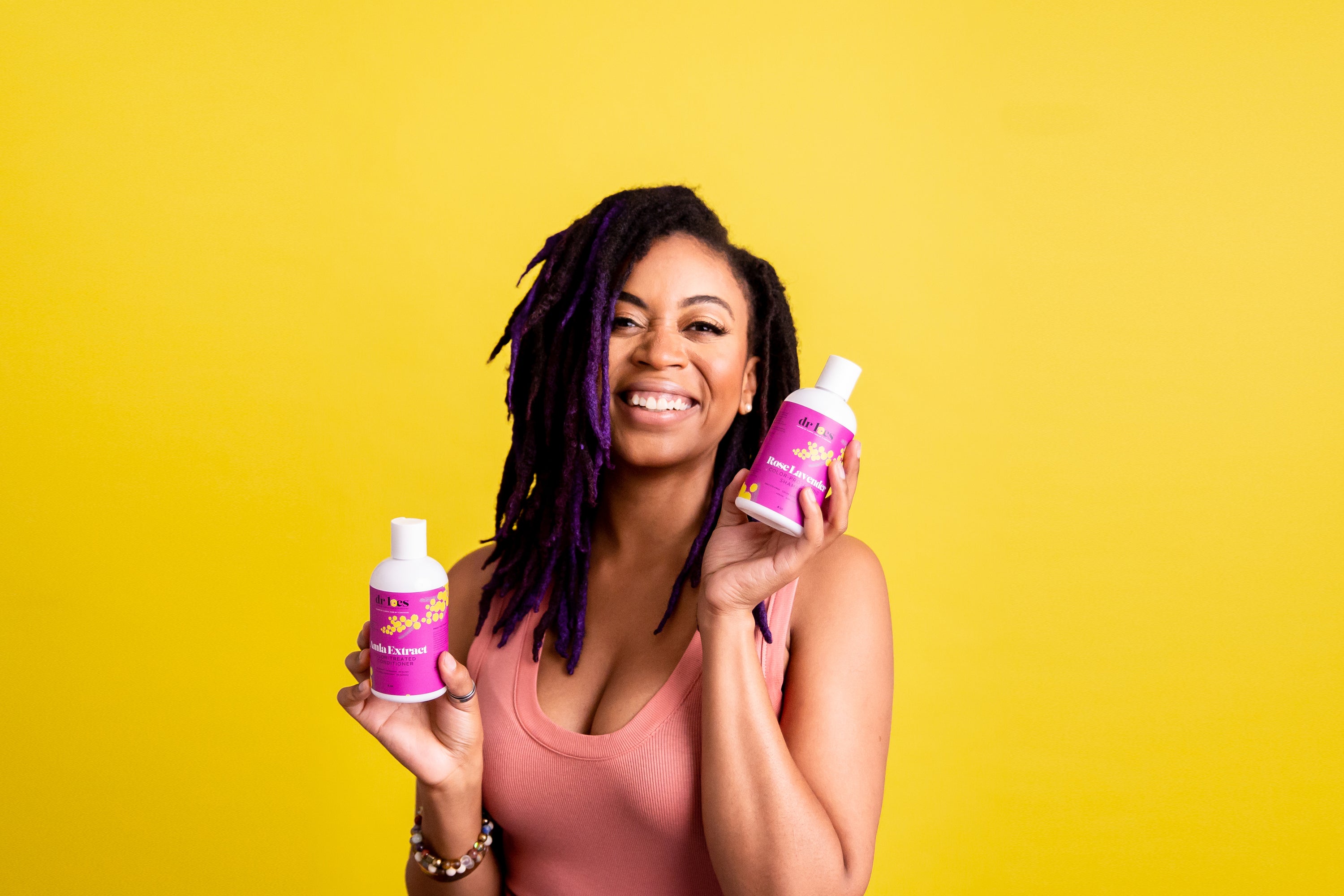
Dr Locs color protecting line has obviously included this powerhouse of an ingredient in both the Rose Lavender Color-Protecting shampoo, and the Amla Extract Color Protecting Condition. This line was designed for those who have color treated hair, loose or loc’d, or for those who have treated their hair in the past and want to restore and repair any damage that may have occurred. The line was carefully designed to give you all the best natural ingredients and ingredients that are safe for you and the environment. 


If you have any questions regarding your hair or our products, please reach out to us. We'd love to hear from you!   
Leave a comment

Please note, comments need to be approved before they are published.

This site is protected by hCaptcha and the hCaptcha Privacy Policy and Terms of Service apply.

Frequently Asked Questions

Frequently asked questions

Yes — locs can be started on virtually any hair texture. The technique that works best and the timeline you can expect will vary depending on your texture. Finer hair typically takes longer to lock and may require more patience in the early stages.

Sisterlocs is a form of interlocking — they use the same foundational technique. The difference is size and a proprietary pattern. Interlocking can be done in a range of sizes and is not limited to the Sisterlocs system.

Loc extensions should be placed as a permanent technique by a qualified loctician. When done correctly, the extension integrates naturally into the hair over time. When done incorrectly, the hair often can't sustain them and the client removes them early.

Yes — comb coils are one of the most common ways to start locs. As the hair grows and matures through the baby and teenage stages, the coil gradually locks into a permanent loc.

Interlocking and loc extensions are generally considered the most durable and fastest-to-progress techniques. If skipping the baby stage entirely is the goal, loc extensions with a qualified loctician may be the right option. However, understand that with all processes, you will go thru a process.