
Come winter, come summer, comes frizz. Frizz seems to have no season, or every season, depends which way you want to spin it, but either way, it’s there. Luckily, no matter what the season is, there is always a smooth solution, good news is on its way.
Damaged or Dry Hair
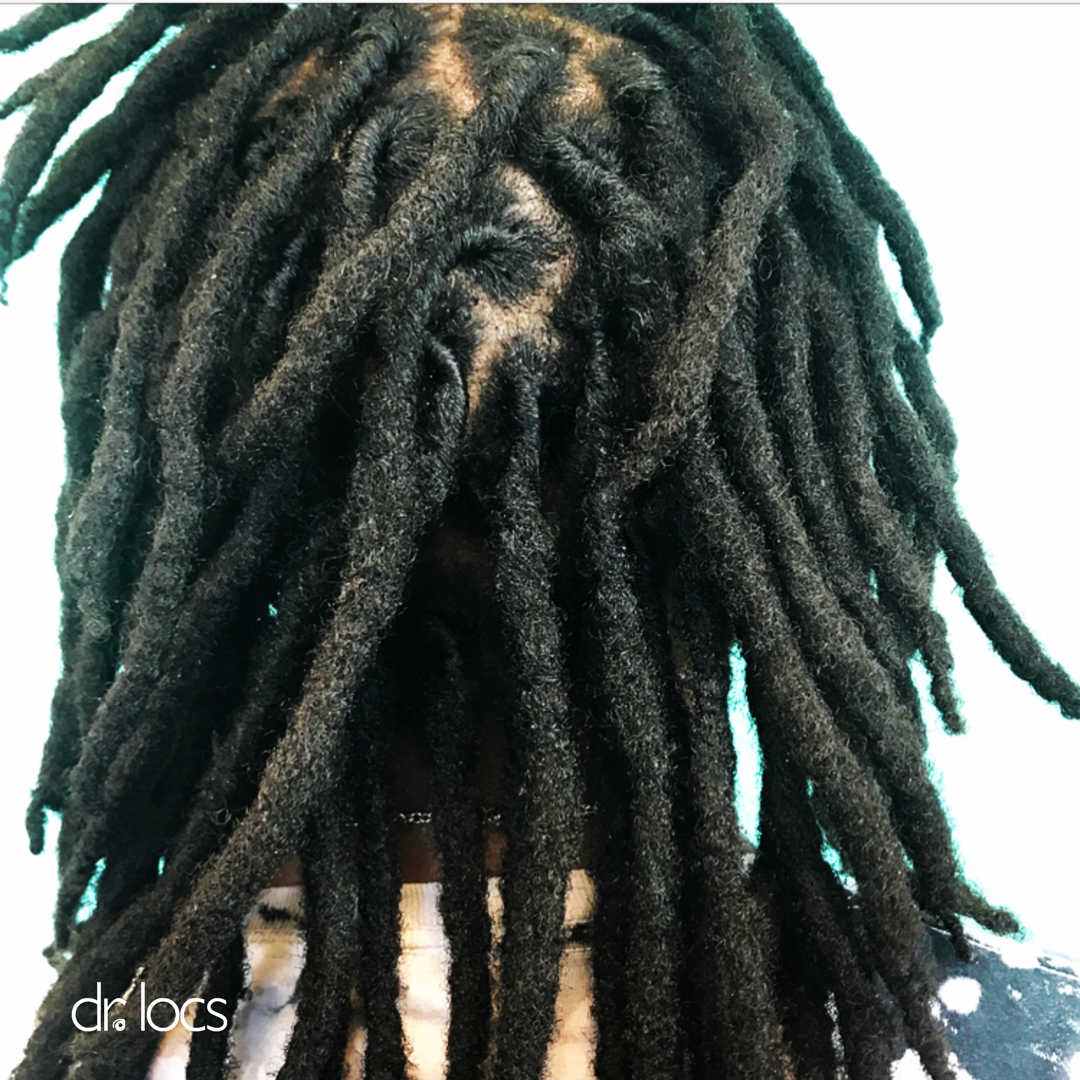
Damaged or dry hair will cause your locs to break easily at the root and string up some frizz. This is usually caused by overheating your locs, under moisturizing your locs, or by using products who promise to treat, but in fact mistreat, your locs. In the case where your locs are exceptionally dry, find yourself a natural leave in conditioner that is especially designed for locs, to avoid build-up, to properly hydrate your locs and to keep that frizz under control.
Cover Your Locs
Now obviously covering your locs is not a long term solution, but were talking about while you sleep and hang around the house. Covering your locs with a satin scarf while you sleep will prevent your locs from losing its moisture and will keep your hairs in their proper place.
Hair Texture Matters
If you have naturally curly wild hair than you will naturally have more frizz, sorry about that. But, as long as you take care of your locs as they grow in you will absolutely be able to handle and maintain that frizz control. No need in comparing your hair texture to others who seemingly have it easier, there’s no such thing, just make sure you are amply taking care of your locs’ needs with natural, thoughtful loc care products.
Palm Rolling New Growth
Have you been keeping up with your new growth maintenance routine? No ones pointing fingers over here, but if you start noticing your frizz levels have gone higher than that naturally frizzy look you were into, then maybe it’s time to start palm rolling your locs to direct your new growth to a new home. Keep in mind, rolling in the same direction without any slip ups is important. Rolling in the wrong direction will cause more frizz and may do more damage than you want to deal with.