

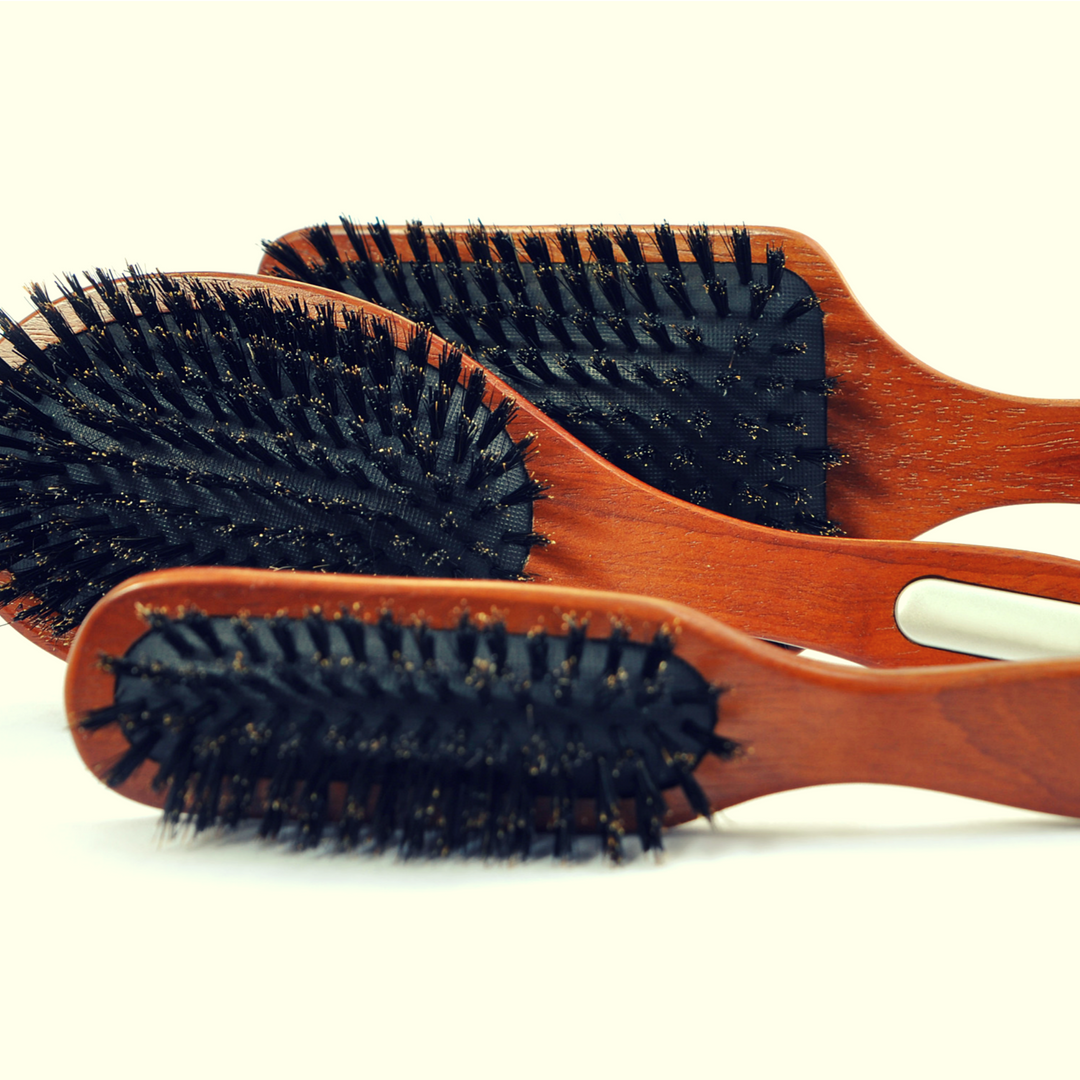
While you may have thought locs are a shortcut out of brushing your hair, you may want to reconsider. Brushing your locs, and brushing them right, can help with maintaining healthy growing locs, especially if you’ve matured past the teenage locking phase and are eager to keep up the healthy growing flow.
If you haven’t already started brushing your locs with a soft bristle brush, hopefully you’re open to learning more about it. There are many benefits that come with brushing your locs. Here are some convincing reasons to go with the brush flow.
Firstly, did we mention it encourage new growth? When you’re first starting out on the loc journey, this is especially desirable. Now it’s important to wait until your locs have matured some months, otherwise you risk detangling all of that hard work. The bristles of the hair brush will stimulate the scalp and encourage more blood flow to your roots. Stimulated roots equals healthy roots, which means healthy new growth is on it’s happy way.
Additionally, brush strokes will prevent breakage and frizz. By evenly pulling a soft brush made for locs you naturally condition your locs from your scalp to your roots. The natural oils your scalp secrets is both nutritious for your scalp and your locs. Locs lacking in moisture are more prone to breakage and frizz.
Brushing your locs will also reduce lint and build-up. The bristles of the brush will softly remove any build-up looking to build up in your locs. The strokes will remove any debris, fabric, lint or dandruff from your scalp and locs, and prevent them from nestling deep within hair shafts.
On to the Method
When brushing your locs you can start from the scalp and gently move downward. If you’re afraid of loosening the hairs by the roots start a few inches from the root. Divide your locs into sections and brush small groups at a time. You can either brush your locs while they are wet or, after they are dry. Brushing your loc when they are dry, before you shampoo, is ideal for reducing lint, frizz and buildup.
Some prefer to brush their locs while they are still wet to ensure their locs absorb all the natural moisture the hair shafts can get. Just make sure you aren’t using any products that will cause build-up, otherwise you will be promoting build-up rather than reducing it! And, naturally, try to turn your hair care routine into the small pleasures you do for yourself, brush your hair with care, and continue to infuse your locs with love, it will only have positive consequences.